
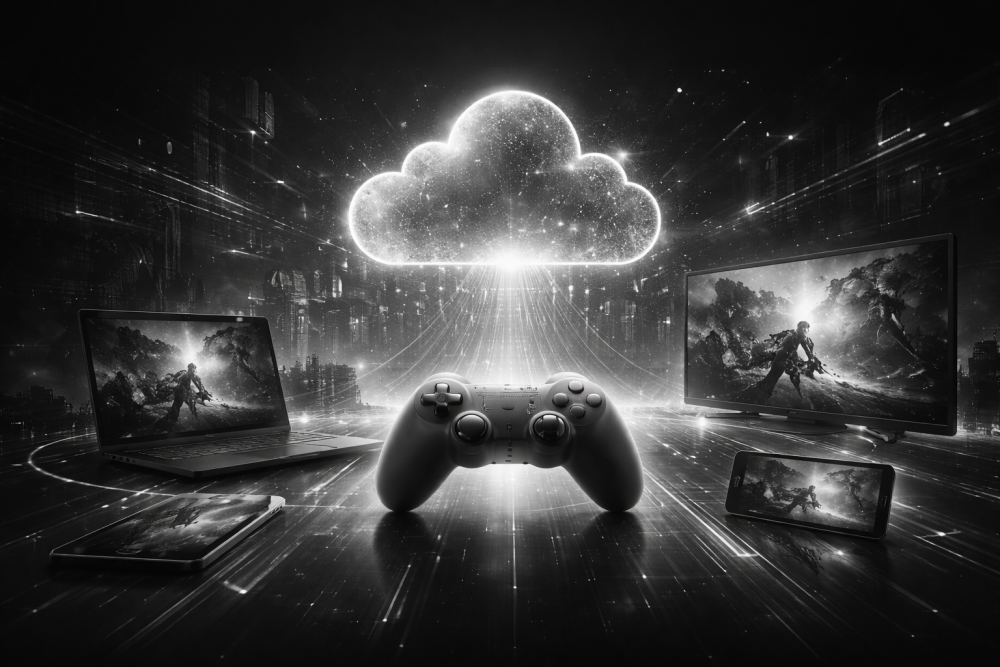
Cloud gaming is increasingly seen as a major direction for the future of the gaming industry. By allowing games to run on remote servers rather than local devices, this model removes the need for high-end hardware. Players can access complex, visually rich games through an internet connection, making gaming more accessible across a wide range of everyday devices.
Shifts in consumer behavior are also accelerating the rise of cloud gaming. Modern users value instant access, flexibility, and convenience, preferring experiences that do not require lengthy downloads or constant hardware upgrades. Streaming-based gameplay aligns well with this demand, offering a seamless, on-demand approach that fits naturally into today’s digital lifestyles.
On the technological side, advancements in high-speed connectivity, cloud infrastructure, and remote graphics processing are making cloud gaming increasingly viable. Improvements in latency reduction and visual quality continue to narrow the gap between cloud-based and locally run games. This enables developers to focus on creating richer and more ambitious experiences without being constrained by users’ device limitations.
Looking ahead, cloud gaming has the potential to become a foundation for a broader interactive entertainment ecosystem. Its integration with artificial intelligence, social interaction, and immersive virtual environments could redefine how games are created and experienced. While challenges remain, particularly in infrastructure readiness and market adoption, cloud gaming is well positioned to evolve into a lasting global trend.