
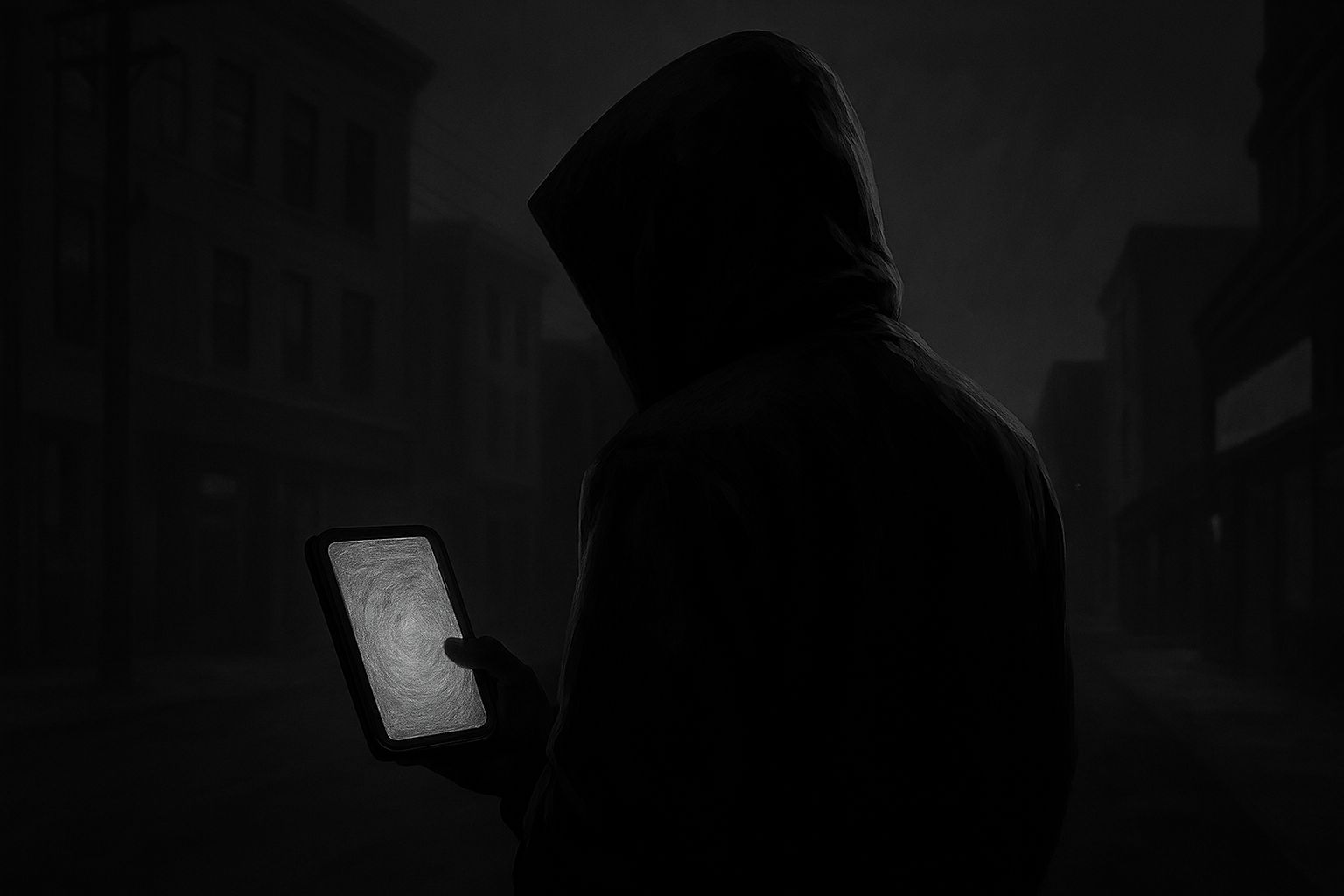
Phishing is one of the most dangerous forms of cybercrime because it deceives victims in subtle yet effective ways. Criminals often disguise themselves as trusted entities, such as banks or major companies, and send fake messages that appear legitimate. Their main goal is simple: to steal personal data, passwords, or financial information that can be exploited for illegal gain.
The greatest danger of phishing lies in its ability to manipulate human psychology. By using urgent or frightening language, victims often feel pressured to act immediately. For example, a message saying “Your account will be blocked unless verified” can cause panic, leading people to unknowingly hand over sensitive information. Once this data falls into the wrong hands, the risk of financial loss and identity theft becomes very high.
Beyond financial damage, phishing can also destroy trust and reputation. Imagine a large company falling victim—customer data could be leaked, sparking a crisis of confidence. This not only harms individuals but also has wide-reaching effects on businesses and society. Modern phishing techniques are even more sophisticated, such as spear phishing, which targets specific individuals with personalized attacks.
Protecting yourself from phishing requires vigilance. Never trust messages that demand urgency, contain suspicious links, or request personal information. Always verify information directly with official sources and use extra safeguards like two-factor authentication. By recognizing the patterns and dangers of phishing, we can be better prepared to face the ever-evolving digital threats.